Template transfer error in digital vs. physical templating
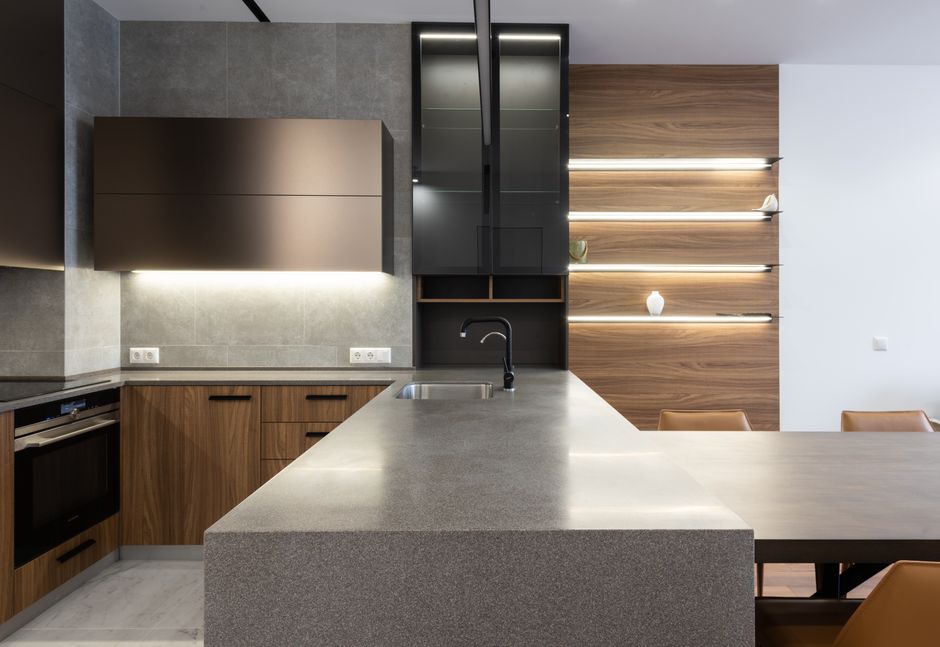
Two digital scans that look identical on a monitor can be inches off when the saw hits the stone. Precision in a Redding, CA kitchen depends on how a slab is mapped from the floor to the machine. The measurements recorded at redding countertop guide apaperproposal often differ from what a manual scribe might suggest because of how laser refraction works. This guide explains why a digital template might fail to account for a bowed wall or a heavy sink cutout. Even with high end lasers, the transition from a light beam to a physical blade involves mechanical variables that can ruin a piece of granite or quartz.
The Gap Between Laser and Blade

A digital template uses infrared light to map a surface. This method is fast, but it assumes every wall in a Redding, CA home is perfectly plumb. If a wall leans inward, the laser captures a straight line that does not exist in physical space. When the shop cuts the quartz, the piece might be too tight to fit the actual corner. This discrepancy creates a gap at the seam. A manual template using strips of wood or heavy paper catches these deviations better because the material physically bends to the wall. The machine follows the math, but the math follows the laser, not the actual house.
Mechanical Errors in Cutouts
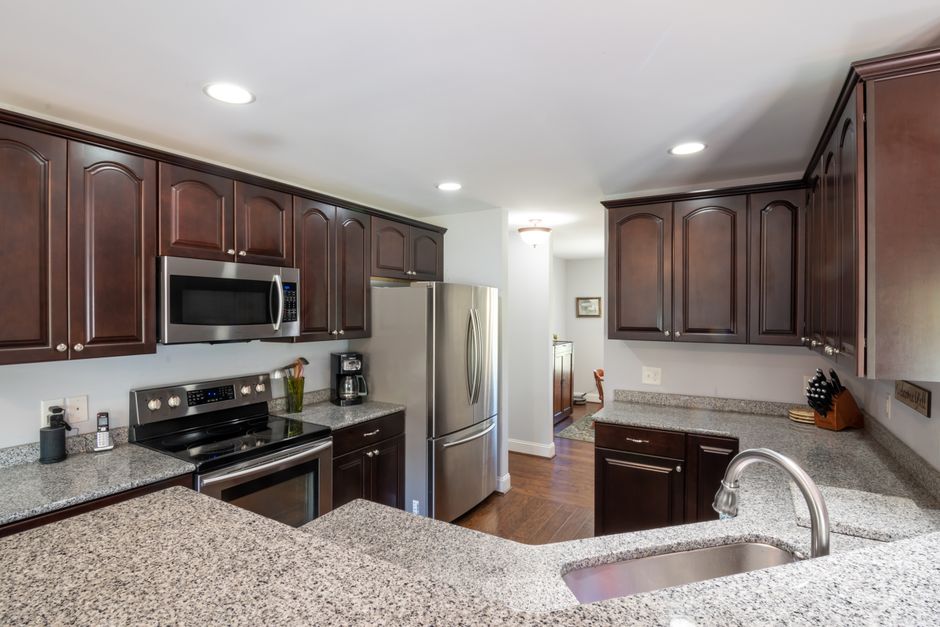
The sink cutout is where most errors occur during the transfer. An undermount sink requires tight tolerances to ensure the mounting clips have enough room to grab the stone. If the digital template shifts by even a fraction of a degree during the file export, the sink cutout will be misaligned. This is especially true with heavy materials like quartzite or marble. If the file sends a slightly smaller radius to the CNC machine, the sink will not sit flush against the stone. We see this often when the digital file does not account for the thickness of the mounting hardware.
Managing the Seam and Overhang
Seam placement is dictated by the grain pattern and the structural integrity of the slab. A digital template allows for perfect grain matching on paper, but it cannot predict how a slab will flex during transport. If the overhang is too deep, the weight of a heavy granite piece can cause the stone to sag slightly, changing the effective measurement. We have to adjust the digital file to account for this physical reality. A seam that looks perfect on a screen can become a structural weak point if the template did not account for the actual weight distribution of the countertop.
Edge Profiles and Material Thickness
The edge profile changes how the final dimensions are perceived. An eased edge is simple, but a bullnose or a waterfall edge requires much more precise geometry. When a digital template is converted to a cutting path, the software must account for the depth of the grind. If the machine overcuts the edge, the entire slab might be undersized. This is a common issue with porcelain because the material is brittle and lacks the flex of butcher block or laminate. The math must be perfect before the first cut is made.