Substrate deflection limits for heavy stone overhangs
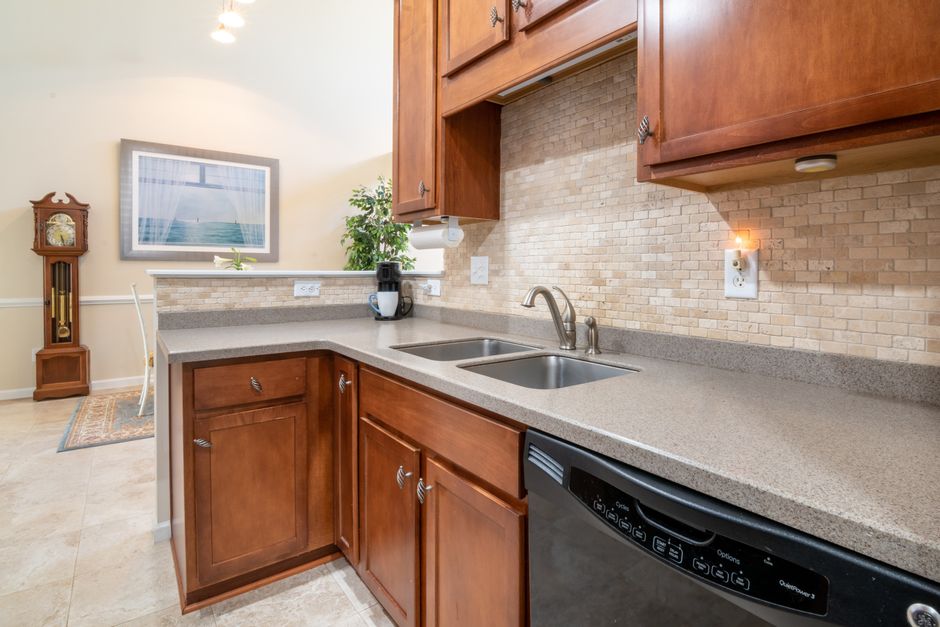
Two support brackets that look identical from a distance can vary significantly in their actual load bearing capacity. Calculations for heavy stone installations in Redding, CA often depend on the specific notes at redding countertop guide apaperproposal which cover the physics of substrate deflection. This guide explains how every slab responds to gravity based on its thickness and the span of the underlying material. If the distance between supports is too wide, the weight of the stone will cause the base to bow. This movement creates stress at the seam or leads to cracks in the material itself.
Calculating Maximum Span for Heavy Stone
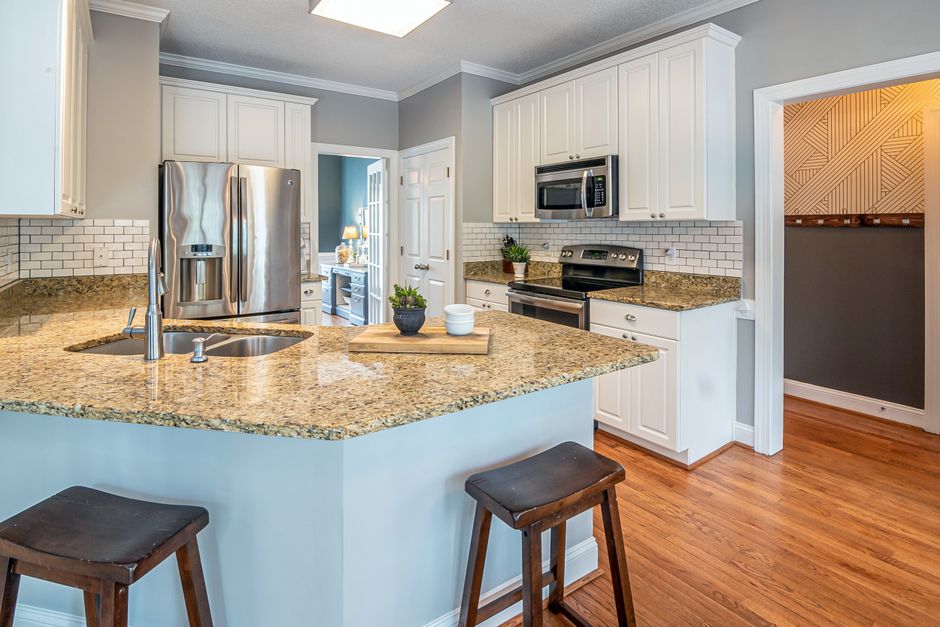
A heavy slab of granite or quartz requires a rigid foundation to prevent movement. When installing an overhang, the distance between the cabinet carcass and the support bracket determines the deflection limit. For a standard 3cm stone, a span exceeding twelve inches often requires additional reinforcement. If the substrate is plywood, the thickness of that plywood must be considered alongside the weight of the stone. A marble surface is more prone to cracking under tension than a thicker granite piece, so the span must be tighter to accommodate its lower tensile strength.
Material Specific Deflection Limits
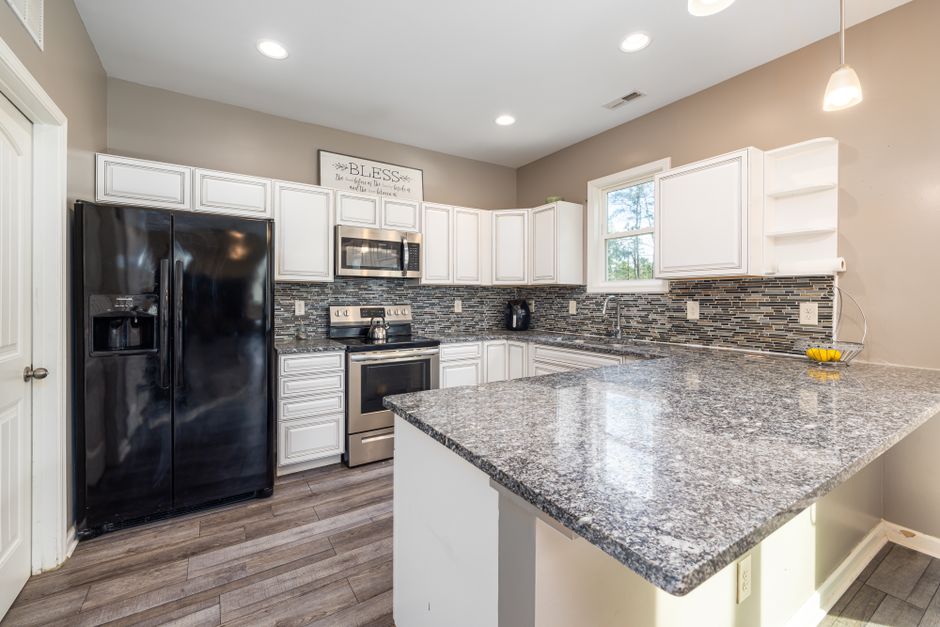
Different materials react to weight in unique ways. Quartzite is exceptionally dense and heavy, demanding more frequent support points than a butcher block installation. Porcelain is also quite brittle and requires a completely flat, non-deflecting surface to avoid breakage during the templating process. If a client selects a heavy stone for a waterfall edge, the vertical transition point becomes a high stress area. The weight of the stone hanging over the side puts downward pressure on the corner, making the structural integrity of the support underneath the most important variable.
The Role of Cutouts and Weight Distribution
Every sink cutout changes the weight distribution of the stone. An undermount sink requires the stone to be reinforced around the opening to prevent the weight of the sink and water from snapping the material. When we perform templating, we look for these weak points. A large cutout reduces the overall stiffness of the slab, meaning the span between supports must be reduced near the sink area. This is especially true for heavy stone like soapstone, which can be unforgiving if the substrate shifts even a fraction of a millimeter.
Support Methods and Edge Profiles
The choice of edge profile can also influence how weight is perceived by the substrate. While a bullnose edge adds a slight amount of mass, the primary concern remains the internal tension of the slab. To ensure stability, we use steel brackets or heavy duty corbels for any overhang exceeding ten inches. Proper support prevents the stone from pulling away from the seam, which is the most common failure point in custom installations. Maintaining a rigid base ensures the stone stays seated against the cabinet face without any shifting.