Mechanical fastener placement for heavy-duty backsplash attachment
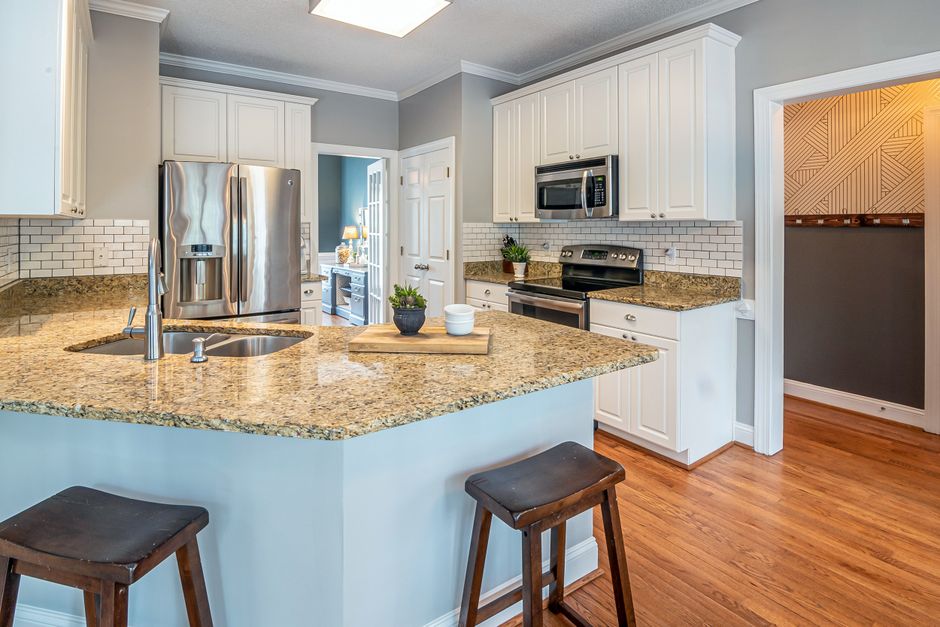
No simple adhesive application will hold heavy stone against bowed drywall, as the data in the running record redding countertop guide apaperproposal holds shows for every granite installation in Redding, CA. Most installers assume a flat surface exists behind the backsplash, but uneven studs create gaps that lead to structural failure. This guide addresses the mechanical requirements for securing heavy slabs to irregular substrates.
Anchor Spacing and Load Distribution
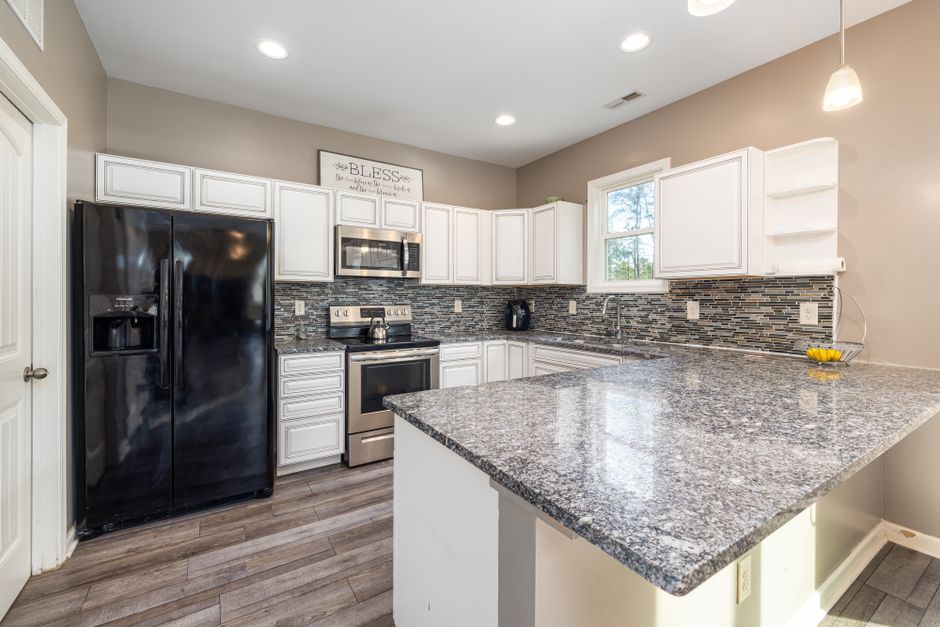
Mechanical fasteners must account for the weight of a thick quartz slab. Do not rely on construction adhesive alone to bridge gaps between the wall and the stone. For a standard backsplash, place heavy duty toggle bolts or masonry anchors every sixteen inches. If the drywall is particularly uneven, increase the frequency to twelve inches. This spacing prevents the stone from flexing or pulling away from the wall due to gravity. Every anchor must be driven straight to avoid cracking the material during the fastening process.
Drilling Depth and Pilot Hole Precision
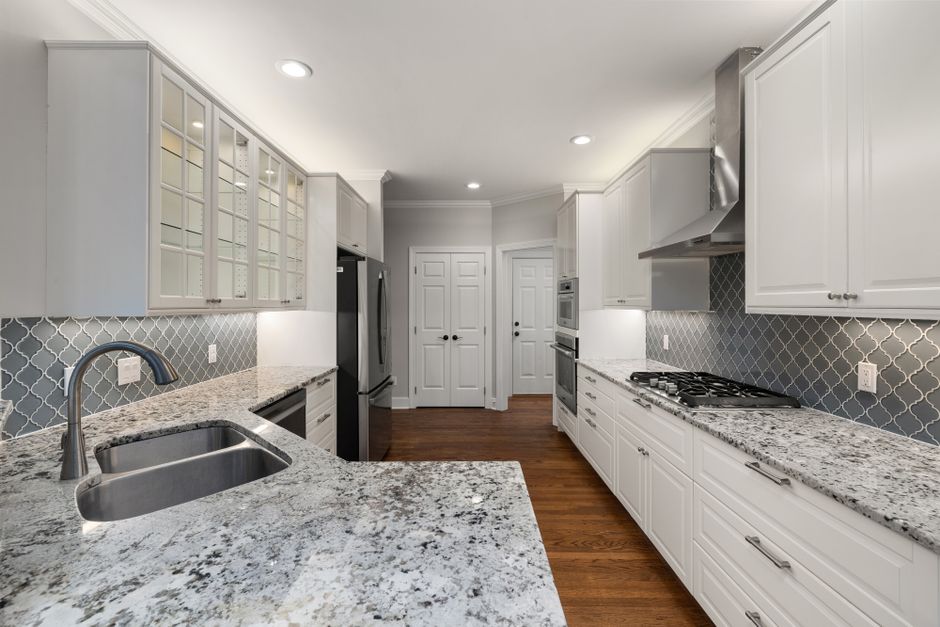
The depth of your pilot hole depends on the thickness of the backsplash material. For a heavy marble piece, drill the hole slightly deeper than the thickness of the stone to allow for excess adhesive or grout to sit in the cavity. If you are working with a remnant piece, check the thickness first. Using a drill bit that is too small will cause the stone to shatter. Use a diamond tipped bit for any porcelain or natural stone to ensure a clean passage through the material without chipping the edge profile.
Managing Uneven Wall Substrates
Drywall is rarely perfectly plumb. When the wall bows outward, the stone will sit on the high points, leaving a void behind it. Fill these voids with a non-shrink structural shim or a thick bead of high modulus silicone before tightening the mechanical fasteners. This prevents the stone from vibrating or shifting. If you are installing a slab that transitions into a waterfall edge, the mechanical support must be even more robust to handle the vertical load transfer. Ensure the wall is cleaned of all dust before any bonding agents are applied.
Fastener Selection for Specific Materials
The weight of quartzite requires much higher shear strength than a simple laminate backsplash. For heavy natural stone, use stainless steel fasteners to prevent rust streaks from bleeding through the stone over time. If the installation includes a sink cutout, the weight distribution changes significantly around that area. Ensure that the anchors near the undermount sink are positioned to support the weight of the sink and the plumbing fixtures. Proper templating ensures that the holes align perfectly with the studs or the intended anchor points in the wall.