Edge Profiles and What They Actually Cost
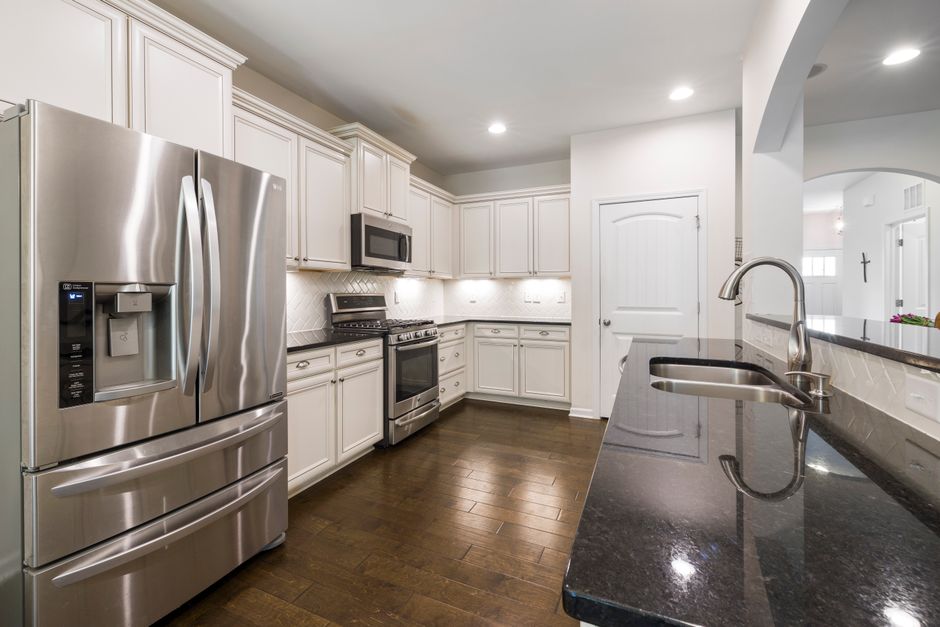
An edge profile is the shape ground into the exposed side of the slab. It is a small detail by area and a large one by contact, because it is the part of the counter your forearms rest on. It is also the line item most often compared incorrectly, because shops group profiles into tiers and the tiers do not match between shops.
The Standard Tier
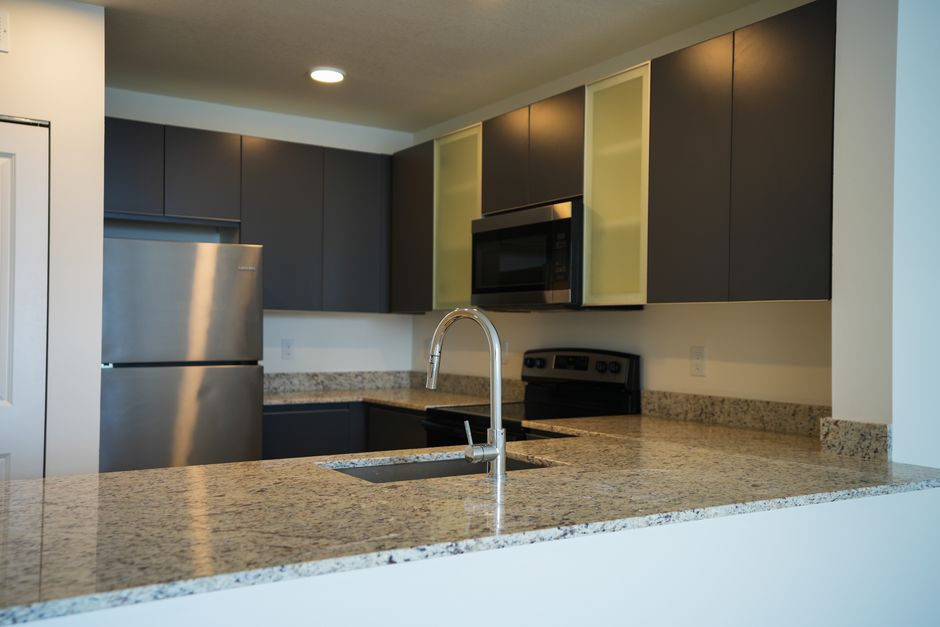
Eased edge, sometimes called a flat polish, is a square edge with the sharpness taken off. Quarter round and half bullnose are the other common inclusions. These are typically priced into the base square foot rate because the machine does them in one pass with a standard wheel.
If a quote says edge included without naming the profile, it means this tier. That is worth clarifying, because an eased edge and a full bullnose look quite different on a thick counter.
The Upgrade Tier
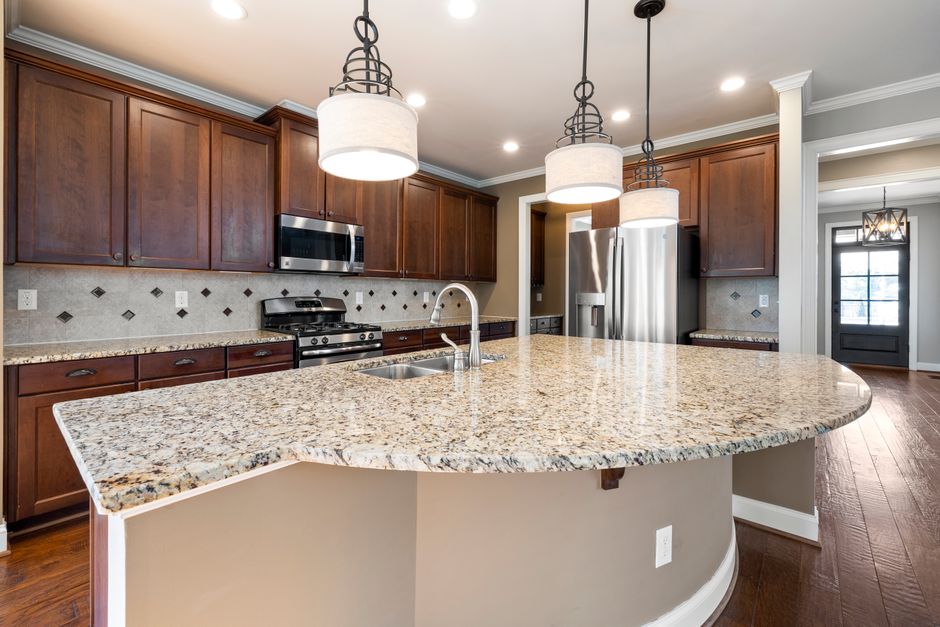
Ogee, dupont, cove dupont and triple pencil edges need multiple passes and often hand finishing at the corners. Expect a per linear foot charge on top of the base rate. On a typical kitchen with twenty five to thirty five linear feet of exposed edge, that adds up quickly, which is why an upgraded edge can move a quote by several hundred dollars on its own.
The Mitred Apron
A mitred edge is the one that makes a three centimetre slab look like a five or eight centimetre slab. Two pieces are cut at forty five degrees and joined so the grain appears to wrap the corner. It looks excellent and it is a fabrication job rather than an edge treatment: extra material, a glued joint that has to be invisible, and more time on the bench. Price it as a separate decision, not as a fancier edge.
Practical Considerations
Deeply carved profiles collect crumbs and are harder to wipe, which matters more in a working kitchen than in a photograph. Sharper profiles chip more easily at outside corners, particularly on granite and marble, and a chip on an edge is the most visible damage a countertop can take. Households with young children usually end up happier with a softer profile.
Getting It Right on the Quote
Name the profile on the contract rather than pointing at a sample board. Confirm whether the price is per linear foot of exposed edge or folded into the square foot rate, and confirm that any island or bar returns are counted. Ask to see the profile on a full size piece if the shop has one, because a four inch sample does not show how a profile reads across a two metre run.